
Residential Lighting Series — Part 1: Designing the Balance Between Natural and Artificial Light
In residential architecture, lighting should never be treated as a finishing detail. In a well-designed house, light influences how we experience volume, material, colour, circulation, comfort, and even the relationship between interior and exterior spaces.
For architects and home designers, one of the most important challenges is finding the right balance between natural daylight and artificial lighting.
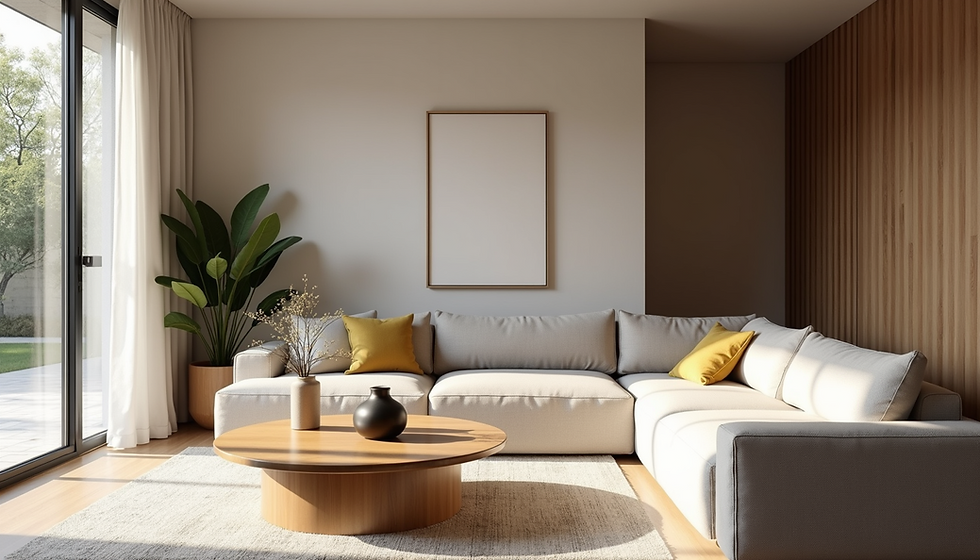
Natural light should be considered from the earliest stages of design. The orientation of the house, window size and placement, ceiling height, skylights, stair openings, and the connection between rooms can determine how daylight moves through the building throughout the day. The objective is not simply to maximize the amount of daylight, but to control and distribute it intelligently.
Too much uncontrolled sunlight can create glare, overheating, fading of interior finishes, and uncomfortable contrast. Too little natural light can make even a beautifully designed room feel confined and disconnected.
Artificial lighting should therefore complement daylight rather than compete with it.
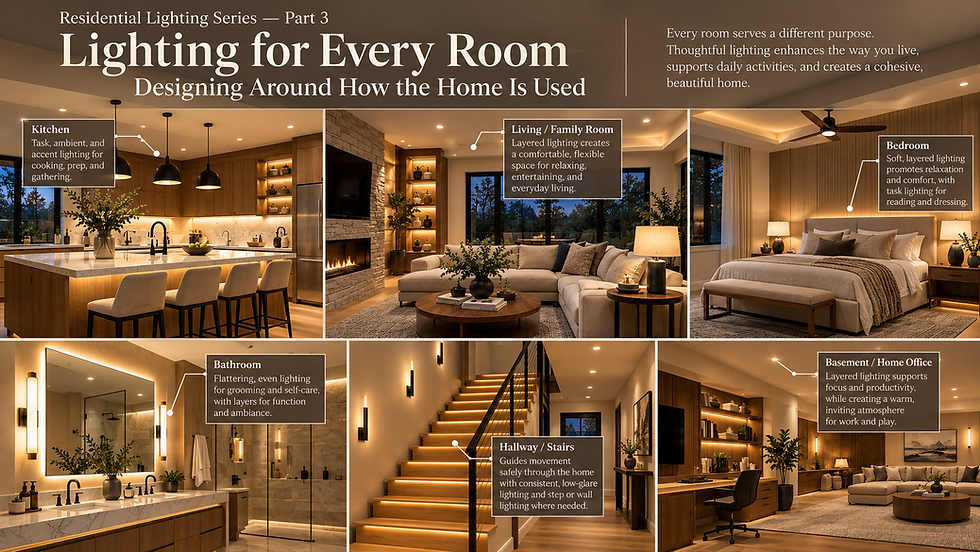
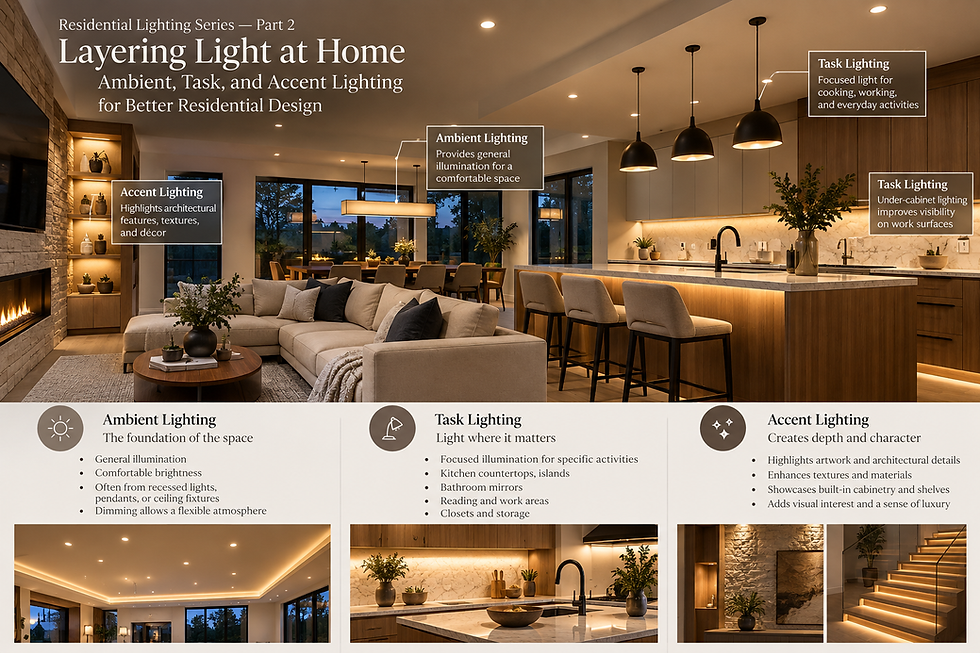
A successful residential lighting strategy normally combines several layers: ambient lighting for general illumination, task lighting for kitchens, workspaces and reading areas, and accent lighting to highlight architectural details, artwork, cabinetry, textures, and landscape views.
The transition between daytime and evening is equally important. During the day, artificial lighting should quietly support areas where daylight cannot reach. At night, the same house should transform into a warmer and more intimate environment through thoughtful fixture placement, dimming, indirect lighting, and appropriate colour temperature.
The strongest residential projects are those where architecture and lighting are designed together. Windows, ceiling details, millwork, materials, furniture layouts, and lighting should form one coordinated system rather than being developed independently.
A successful home is not simply bright.
It has the right light, in the right place, at the right time.
This is the first article in our Residential Lighting Series, focusing exclusively on houses and custom residential design. #Residentialarchitecture #Lightingdesign #Homedesign #Architecturaldesign #Interiordesign #Customhomes #ResidentialLighting #Homearchitecture #Saraidevelopment
Comments